The Art and Business of Custom Apparel Printing
When I first started ordering custom t-shirts for a small music festival back in 2012, I thought it was simple: pick a design, pick a color, and wait for the box to arrive. That first order taught me how much actually goes into custom apparel printing. The print shop we used was a one-man operation in a cramped garage, and the owner walked me through every step " from picking the right shirt blank to understanding why my four-color design would cost more than a two-color one. That hands-on experience stuck with me, and years later, it still shapes how I think about ordering custom gear.
Custom apparel printing has grown far beyond the basement screen printing setups of the past. Today, shops like Custom Shirt Printing in Los Angeles offer a full range of services: screen printing for bulk orders, DTF transfers for detailed artwork, and embroidery for a polished, professional finish. But the core principles remain the same. You need to know your audience, your budget, and your timeline. And you need a partner who understands the trade-offs.
Screen Printing: The Workhorse
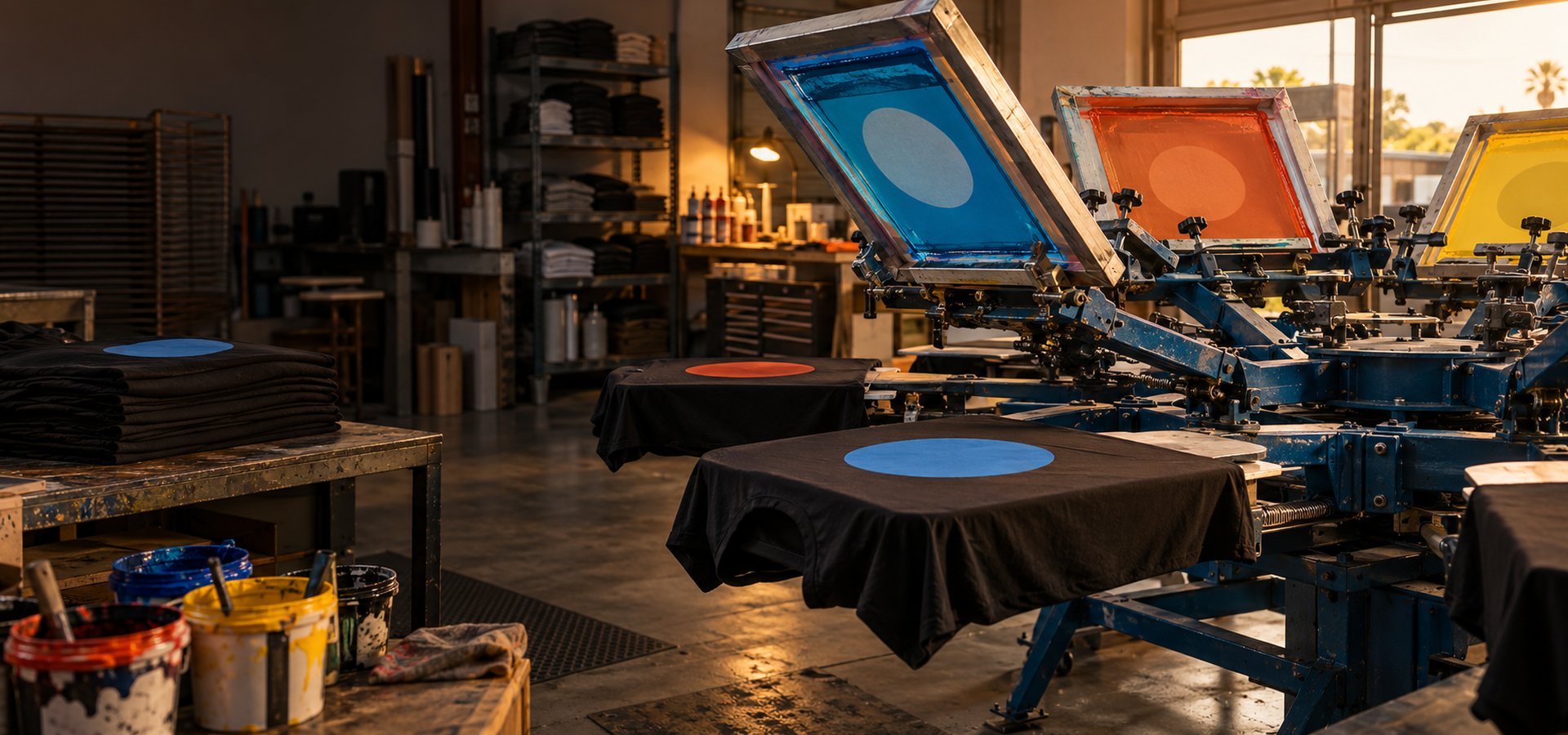
Screen printing is still the most common method for custom apparel printing Custom Shirt Printing, especially when you need quantities of 50 or more. The process involves creating a stencil (or screen) for each color in the design, then pushing ink through the screen onto the fabric. It produces vibrant, durable prints that can last for years if cared for properly.
The trade-off is setup cost. Each screen costs money and time to make, so a five-color design might cost more upfront than a one-color design. But once the screens are ready, each additional shirt costs only the ink and labor. That is why screen printing becomes more cost-effective the larger your order. If you are printing 500 shirts for a company picnic or a race event, screen printing is usually your best bet.
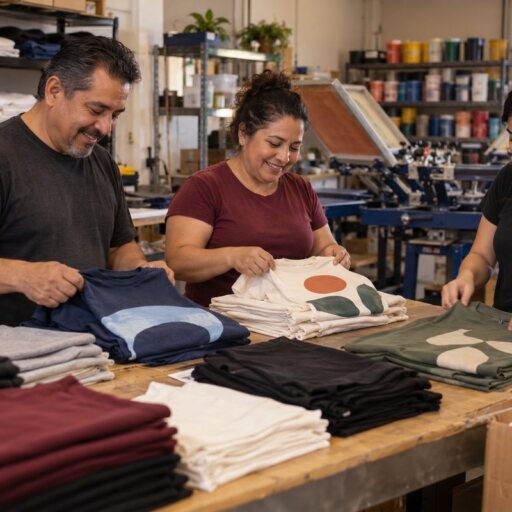
One thing I always tell first-timers: do not go overboard on colors. A two- or three-color design can look just as professional as a six-color one, and it will save you money. A good print shop will also help you separate your artwork into the right color layers. That is part of the free design help that family-owned shops like Custom Shirt Printing offer " they want your print to come out right.
DTF Transfers: Flexibility for Small Batches
DTF, or direct-to-film, is a newer technology that has changed the game for smaller orders and detailed designs. Instead of pushing ink through a screen, a DTF printer prints the design onto a special film, which is then heat-pressed onto the garment. The process allows for full-color, photographic prints without the setup costs of screen printing.
For a one-off shirt or a run of 20 pieces, DTF is often the smarter choice. I have used it for sample runs before committing to a full screen print order. It is also great for designs that include gradients, tiny text, or complex details that would be difficult to screen print. The downside? DTF prints can feel slightly thicker on the fabric, and they may not last as long as screen prints if not pressed correctly. But for many uses, especially event shirts or promotional giveaways, the convenience outweighs the minor durability difference.
When I think about custom apparel printing Custom Shirt Printing, the versatility DTF offers for short runs is a huge advantage. It lets you test designs or fulfill small group orders without breaking the bank.
Embroidery: The Premium Finish
Embroidery is not for every project, but when you need a premium, lasting look, it is hard to beat. Think polo shirts, hats, jackets, or uniforms. Embroidery uses thread stitched directly into the fabric, creating a raised, textured logo that will never peel or crack. It looks more polished and upscale than most printed options.
However, embroidery has its own limitations. It works best with simple designs that have solid areas of color. Fine details and small text can get lost in the stitching. The cost per item is also higher than screen printing, especially for small orders. But for a company uniform or a commemorative jacket, the extra cost is usually worth it.
I once ordered embroidered hats for a cycling team, and the shop warned me that the logo would need to be simplified. We reduced the design to a two-color logo with clean lines, and the result was sharp. The hats still look great three years later, even after countless washes and sun exposure. That kind of durability is what makes embroidery a smart choice for items you want to last.
Choosing the Right Blank Garment
One aspect of custom apparel printing that people often overlook is the blank itself. The quality of the shirt, hoodie, or hat matters just as much as the print. A cheap, thin shirt will make even the best print look poor. On the other hand, a well-made garment can elevate your design and make people actually want to wear it.
Most print shops, including Custom Shirt Printing, work with a range of brands and styles. They can help you pick a blank that fits your budget and your audience. For example, a heavy-weight cotton tee might be perfect for a fall festival, while a lightweight performance fabric works better for a charity run. Do not be afraid to ask for samples. A good shop will let you feel the fabric and see the print quality before you commit to a large order.
Artwork Preparation: Getting It Right
Another lesson I learned the hard way: always send high-resolution vector artwork. Raster images (like JPEGs) can look pixelated when printed, especially at large sizes. Vector files (like AI, EPS, or SVG) scale perfectly and give the printer clean lines to work with.
If you do not have vector files, many print shops offer free design help to convert your artwork. That is a service that can save you time and frustration. Just make sure to check the file requirements before you send anything. A little preparation on your end can prevent delays and extra charges.
Weighing the Options
Every custom apparel printing project involves trade-offs. You might want a five-color screen print on a heavyweight hoodie, but your budget only allows for a two-color DTF on a midweight tee. Or maybe you need 500 shirts in two weeks, which might require a faster (but slightly more expensive) production method. The key is to communicate your priorities with the print shop. They can usually offer alternatives that meet your needs without sacrificing quality.

When I look back at that first festival order, I realize how much I did not know. But the shop owner took the time to explain my options, and that made all the difference. That kind of expertise is what you get from a family-owned shop that handles every step in-house. They are not just printing shirts; they are solving problems and helping you bring your ideas to life.
If you are starting a new project, whether it is ten shirts for a family reunion or 200 for a corporate event, take the time to learn the basics. Understand the differences between screen printing, DTF, and embroidery. Know your design and your budget. And find a print partner you can trust. The right approach to custom apparel printing Custom Shirt Printing will save you money, time, and a lot of headaches.
 Facebook
 Instagram
Corrections
Spot something wrong? Send it to the desk and it gets fixed in the open.